In today's fast-paced tech world, understanding the right tools for app development is crucial. A recent Business Insider survey revealed that 45% of software engineers actively keep up with AI tools. This statistic highlights the importance of choosing the right platform for your project.
When comparing lovable and base44, it’s essential to recognize that these two popular app builders serve different purposes. While they may seem similar at first glance, each tool caters to distinct workflows in the app development process.
Our guide aims to simplify your decision-making. We explore the implications of choosing between managed infrastructure and full code ownership. With 17% of engineers not utilizing AI tools, understanding these differences is vital for your success.
Join us as we navigate the complexities of coding and app development in 2026, ensuring you have the knowledge to thrive in a competitive market.
Key Takeaways
- 45% of software engineers are keeping up with AI tools.
- Understanding the differences between lovable and base44 is key for app development.
- Our guide helps you navigate coding complexities.
- 17% of engineers are not using AI tools, highlighting a knowledge gap.
- Base44 and lovable serve different needs in the app-building process.
Introduction to the AI App Builders
As technology continues to advance, recognizing the right platforms for app development becomes crucial. The global low-code platform market is projected to grow from $6.78 billion in 2022 to nearly $94.75 billion by 2028. This rapid growth signals a massive shift in how we build applications.
These innovative platforms empower non-technical creators to turn their ideas into reality through simple conversational prompts. The revolution in coding has transformed from manual syntax to natural language, enabling faster iteration for every type of business.
At the core of these tools is their purpose: to bridge the gap between a concept and a functional app. Understanding this shift is critical for anyone looking to launch a product without the traditional overhead of software engineering.
Platform Overviews and Philosophies
Choosing the right platform for app development is essential in our evolving tech landscape. Two notable players in this field are Base44 and Lovable. Each offers unique advantages that cater to different needs and preferences.
What is Base44?
Base44 operates on a managed Wix infrastructure, utilizing a NoSQL database. This design prioritizes certainty for users who want to avoid complex technical setups. The platform abstracts the backend complexity, allowing users to focus on their app's functionality without worrying about server-side logic.
What is Lovable?
In contrast, Lovable is built on a Supabase-based backend. This platform emphasizes clean TypeScript code and a developer-ready architecture. Lovable aims to provide a scalable and modern foundation for every app generated, catering to those who value ownership and flexibility.
| Feature | Base44 | Lovable |
|---|---|---|
| Infrastructure | Managed Wix | Supabase-based |
| Database Type | NoSQL | SQL |
| Focus | User certainty | Developer ownership |
| Code Accessibility | Abstracted | Clean TypeScript |
We compare the philosophy of a closed system, as seen in Base44, versus an open, developer-ready platform like Lovable. This comparison helps us understand which option aligns better with our long-term goals in app development.
Key Features Comparison
In the realm of app development, understanding the essential features of various platforms is vital. Each tool offers unique functionalities that cater to different user needs.
Core Functionalities
Base44 provides core features like one-click integrations for Slack, Notion, HubSpot, and Stripe. These integrations help users launch functional apps quickly and efficiently.
Unique Selling Points of Each Platform
On the other hand, Lovable distinguishes itself with eight native shared connectors, including ElevenLabs, Firecrawl, and Perplexity. This variety caters to those needing specialized tools for advanced functionality.
Integration Capabilities and Tools
Integration capabilities are a major differentiator. Base44 focuses on streamlining business workflows, while Lovable targets compatibility with modern tech stacks. Our analysis shows that the best apps are often built by leveraging these pre-configured tools to save time on development.
Video: Christian Peverelli builds the same app in Lovable, Base44, and Bolt — a useful side-by-side.
Approach to App Building
In the world of app development, understanding different approaches can significantly impact project success. Each platform offers unique methods for transforming ideas into functional applications.
Text-to-App Generation vs. Chat-Driven Creation
Base44 employs multi-step reasoning to turn a single prompt into a complex backend. This method allows for intricate logic without overwhelming the user. On the other hand, Lovable focuses on chat-driven creation, enabling users to build applications using React and TypeScript through conversational interactions.
User Interface and Visual Editing
The visual builder in each platform allows for real-time editing of components. This feature is crucial for users who may not have deep coding knowledge. Design plays a significant role in the building process, with Lovable offering a more designer-first approach to interface generation.
As we adapt to these evolving methodologies, the shift towards conversational interfaces helps users refine their apps through iterative feedback. We can see how each builder manages the transition from a text-based idea to a polished, visual user interface.
Technical Capabilities and Integration
Understanding the technical capabilities of app development platforms is vital for effective project execution. Each platform offers distinct features that cater to different user needs, particularly in backend control and database management.
Backend Control vs. Developer-Ready Code
Base44 provides managed backend control, ensuring that authentication and database management are handled automatically without user intervention. This allows users to focus on building their applications without worrying about the complexities of backend operations.
In contrast, Lovable offers developer-ready code, which grants professional teams deeper control over backend logic and database schema. This flexibility is essential for teams looking to customize their applications as they scale.
Database Management and Authentication
Both platforms have unique approaches to authentication. Base44 automatically sets up secure login screens and identity handling, simplifying the user management process. On the other hand, Lovable Cloud includes built-in authentication and row-level security, allowing users to manage data access directly within their projects.
The ability to manage your database directly is a key technical capability that separates these two platforms for advanced users. Having access to the underlying code is a major advantage for teams planning to scale their applications effectively.
Pricing Models and Commercial Value
Navigating the pricing landscape of app development platforms is essential for informed decision-making. Each platform offers different cost structures that cater to various business needs.
Cost Structures and Credit-Based Pricing
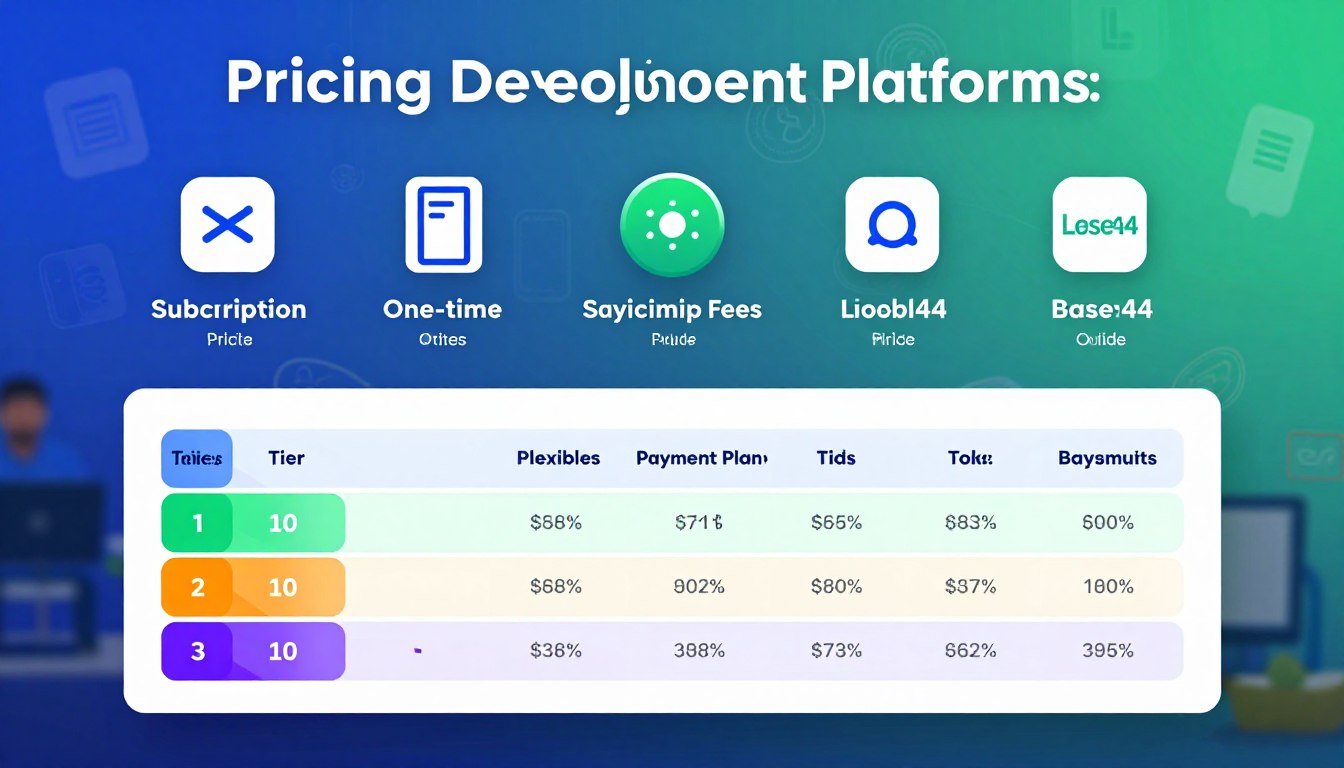
Base44 features a robust pricing structure. Its Elite plan is priced at $160/month, providing users with 1,200 message credits and 50,000 integration credits. This is ideal for high-volume users.
On the other hand, Lovable offers a Pro plan starting at just $25/month. This plan includes 100 monthly credits and allows for credit rollovers, making it flexible for users.
Plan Options for Different Business Needs
We analyze the commercial value of each plan to help you decide which option best fits your specific business needs. Credit-based pricing is common, but each platform manages these limits differently.
Value for Money Analysis
Choosing the right plan depends on your monthly usage patterns. Consider whether you prioritize backend automation or design flexibility. Ultimately, understanding these pricing models ensures you get the best value for your investment.
User Experience and Usability
In the evolving landscape of app development, the user experience plays a pivotal role in determining platform success. This is especially true for non-technical founders who seek to launch business tools or SaaS MVPs without the hassle of managing infrastructure.
Base44 provides an intuitive experience for these users, allowing them to build business apps without touching a single line of code. This simplicity is crucial for those who may not have a technical background.
On the other hand, Lovable enhances collaboration by enabling teams to work together in real time. This feature is essential for growing business projects, ensuring that everyone stays on the same page.
Customization options are also a key focus. Users can tailor their apps to meet specific requirements while maintaining a professional look. Usability remains a primary goal for both platforms, making the app-building process accessible to everyone.
Our review highlights how these tools empower users to create complex solutions that were previously only possible with large teams. With the right approach, building apps has never been easier.
Deep Dive: lovable vs base44 for AI App Building
In the competitive landscape of app development, evaluating the strengths of different platforms is essential. Our analysis of the two popular tools, Base44 and Lovable, reveals unique advantages in their feature sets and output quality.
When we tested both platforms using a prompt for a Notes App, we found that:
- Lovable offers a smoother user interface, making it easier for users to navigate.
- Base44 excels in feature depth, providing practical functionalities that enhance app capabilities.
- The code generated by Lovable is often preferred by teams needing to maintain their own production-grade architecture.
Our real-world testing allowed us to weigh the pros and cons of each platform. This comparison is vital for anyone considering which tool to use for their coding requirements. The insights gained from these tests help clarify which platform will yield the best results for your specific needs.
| Feature | Lovable | Base44 |
|---|---|---|
| User Interface | Smooth and intuitive | Deep feature set |
| Code Quality | Production-ready | Feature-rich |
| Best Use Case | UI-focused apps | Functionality-driven apps |
Workflow, Customization, and Code Ownership
Effective workflows and customization options are essential for developers navigating the app-building landscape. Each platform offers unique capabilities that cater to the needs of both designers and developers.
Lovable provides robust GitHub integration, which is essential for developers who need version control and full code ownership. This feature allows users to save stable versions and revert changes when necessary, ensuring a smooth development process.
In contrast, Base44 allows for limited customization through front-end code export to GitHub on paid tiers. While this gives users some control, the backend remains within their managed environment, limiting overall flexibility.
We explore how these workflows support the creation of high-quality, maintainable software solutions. Code ownership is a significant factor for teams that want to ensure their intellectual property remains secure and portable. Our analysis also covers how version control helps teams manage their coding projects effectively as they grow and iterate.

Real-World Use Cases and Scalability
Understanding how to apply different app development platforms in real-world scenarios is essential for success. Each platform offers unique advantages that can help businesses achieve their goals effectively.
Best Use Cases for Base44
Base44 is the preferred base for non-technical founders who need to launch a SaaS MVP or internal business tool quickly. Its user-friendly interface allows for rapid deployment without extensive coding knowledge.
Ideal Scenarios for Lovable
On the other hand, Lovable is the ideal choice for product-led teams that require production-grade code and the ability to scale their apps over time. This flexibility is crucial for businesses aiming for growth.
- We discuss the best use cases for each platform to ensure you choose the right base for your specific project goals.
- Scalability is a key concern for any business, and we evaluate how each tool handles the transition from prototype to production.
- Our guide helps you identify which platform provides the best foundation for your long-term coding and development strategy.
Expert Insights and Market Trends
As we navigate the future of app development, being aware of market trends and expert insights is increasingly important. The rise of vibe coding has transformed the industry, with a recent Figma 2025 AI report indicating that 95% of AI builders believe design is as critical as development for AI-powered products.
We look at how vibe coding tools are being paired with design-first platforms like Banani to improve the overall quality of apps. This collaboration ensures that the design process is seamless, leading to polished outcomes.
Industry trends show that business teams are increasingly relying on these platforms to accelerate their development and design cycles. The shift toward vibe coding is impacting how we think about the future of software development.
Expert insights suggest that the most successful apps will be those that integrate design and coding into a single, fluid process. This integration not only enhances functionality but also improves user experience.
| Trend | Statistic | Implication |
|---|---|---|
| Vibe Coding | 95% of AI builders value design | Design is critical for AI products |
| Tool Integration | Emerging platforms like Banani | Improves app quality |
| Business Reliance | Increased use of AI tools | Accelerates development cycles |
Conclusion
In the realm of app development, selecting the right tools can significantly influence your project's success. Choosing between these platforms depends on whether you prioritize managed backend speed or developer-ready code ownership.
The comparisons between Base44 and Lovable reveal that both platforms offer powerful features. Your choice should align with your long-term business goals and the specific needs of your apps.
We have analyzed the pricing, platform capabilities, and data management strategies to help you make an informed decision. Whether you need advanced database control or simple deployment, these tools provide the flexibility to turn your ideas into reality.
Our final recommendation is to test both platforms using their free plans. This way, you can determine which workflow best suits your team's unique needs.